
All pirate guides.
Search 150 guides to pirate history, ships, people and life at sea.
150 available guides
No matching guide. Try another term or clear the filters.
 Ships
Pirate ship types, explained.
ShipsInside a pirate-era ship.
 Crews
Pirate ranks and crew duties.
CrewsCaptain or quartermaster? It depended on the moment.
CrewsThe pirate code was not one book.
CrewsHow pirate prize shares worked.
 Weapons
Pirate weapons: evidence before spectacle.
WeaponsCannon, shot and the meaning of a pounder.
 Work and daily life
What did pirates eat and drink?
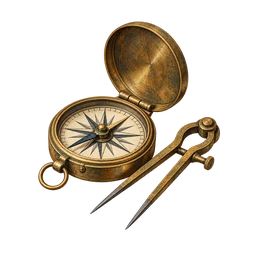 Objects and navigation
How sailors found their way.
 Sources and interpretation
Pirate myths, weighed against the record.
 People
Blackbeard: ships, raids and reputation
PeopleStede Bonnet: owning a ship was not commanding it
PeopleJack Rackham and the company behind the name
PeopleAnne Bonny: a life with an unfinished ending
PeopleMary Read: the account and the woman it describes
PeopleCharles Vane: a captain whose crew chose someone else
PeopleBartholomew Roberts: a company that crossed the Atlantic
PeopleEdward England and the cost of protecting a captive
PeopleHowell Davis: deception, access and a fatal invitation
PeopleGeorge Lowther: a mutiny inside a trading company’s world
PeopleThomas Anstis: leaving a larger pirate company
PeopleJohn Phillips: rules, forced men and a company overthrown
 Places
Nassau: what made a pirate haven work?
PlacesTortuga: hunters, traders and buccaneers
PlacesPort Royal: the port behind the privateers
PlacesCharleston: when the sea road became a hostage
PlacesOcracoke: shallow water at the end of Blackbeard’s career
PlacesTobago: a repair stop that broke a pirate company
Work and daily lifeThe boatswain: making a ship’s labor work
Work and daily lifeThe carpenter: a wooden ship was never finished
Work and daily lifeThe cooper: why a cask was part of survival
Work and daily lifeCanvas, needles and the work of keeping sail
Work and daily lifeThe gunner: weapons were also an inventory
Work and daily lifeThe surgeon: care, skill and a chest of supplies
Work and daily lifeForced aboard: when useful work was not consent
Work and daily lifeWomen aboard: the rule and the exception were both real questions
Work and daily lifeThe watch: a ship could not take the night off
Work and daily lifeThe steward and the cook: getting provisions to a mess
Work and daily lifeInjury compensation: whose risk came out of the common stock?
Work and daily lifeDiscipline and dissent: a code did not end the argument
Work and daily lifeCareening: the work that made a ship vulnerable
Work and daily lifeCaptives and hostages: the people inside a negotiation
Work and daily lifeClothing and possessions: the ordinary value of a prize
Work and daily lifeMusic aboard: signal, work and coercion
Work and daily lifePiracy and slavery: the limits of freedom aboard
Objects and navigationRigging: which lines held the mast, and which did the work?
Objects and navigationThe ship’s boats: the small craft behind the voyage
Objects and navigationShip pumps: removing water was continuing labor
Objects and navigationAnchors and cables: a vessel held by a whole system
Objects and navigationThe compass: direction was only one part of the position problem
Objects and navigationDividers: the small gap between a chart and a distance
Objects and navigationThe sounding lead: depth, ground and a point in the water
Objects and navigationThe log and the sandglass: measuring movement together
Objects and navigationLatitude and longitude: two questions, different difficulties
Objects and navigationThe backstaff: a name in a manual, an object with its own date
Objects and navigationCharts and pilots: the coast was more than a line on paper
Objects and navigationDead reckoning: carrying an estimate forward
Objects and navigationBallast and trim: weight changed the way a ship behaved
Objects and navigationCapstan or windlass: how a crew applied its strength
Objects and navigationHelm, tiller and rudder: follow the steering connection
Objects and navigationKeel, frames and beams: the structure beneath the silhouette
Objects and navigationBlocks and tackles: why the ropes ran through wheels
Objects and navigationCaulking and oakum: the work in the seams
PeopleWilliam Kidd: the commissions and the conduct
ShipsAdventure Galley: a commissioned ship that could not stay sound
ShipsQuedagh Merchant: whose ship, whose goods, whose protection?
 Events
Kidd’s trials in 1701: separate charges, contested evidence
 Law and institutions
Taking a ship was not the same as condemning a prize
PeopleHenry Every: the missing captain in a very public case
ShipsCharles the Second and Fancy: the ship under Every’s command
EventsThe Gunsway capture: a Mughal voyage caught in Every’s cruise
EventsEvery’s companions in court: an acquittal was not the last proceeding
Law and institutionsWanted notices for Every: names, coins and a changing search
PeopleWoodes Rogers: privateer, author and governor
PeopleAlexander Selkirk: the islander who joined the working voyage
ShipsDuke and Dutchess: a partnership at sea
EventsGuayaquil, 1709: approach, attack and an unfinished ransom
EventsThe Manila prize of 1709: a sail appeared as the cruise was ending
Law and institutionsA committee aboard: who decided a privateering voyage?
Law and institutionsPrivate plunder and a common account
Work and daily lifeThe shore camp: sick men, sails, casks and a forge
PeopleBenjamin Hornigold: experience turned against former associates
EventsNassau in 1718: landing was the beginning of government
PeopleMichel de Grammont: raiding after the fleet was wrecked
PeopleLaurens de Graff: a raider inside a changing colonial order
PeopleNicholas van Hoorn: a merchant venture turns toward Veracruz
EventsThe Aves wreck of 1678: a fleet lost before its intended battle
EventsCampeche in 1685: an occupation that outlasted the first attack
EventsCartagena in 1697: one capture, two rounds of plunder
PlacesPetit-Goâve: a haven was also a political problem
PlacesÎle-à-Vache: a rendezvous between voyages
Law and institutionsLogwood: the valuable cargo that kept peace unsettled
Law and institutionsHow the Spanish treasure fleets connected an ocean
Law and institutionsPortobello’s fair: where the ocean routes met the mule road
PlacesHavana: the return fleet’s Caribbean hinge
Law and institutionsSmuggling in the Spanish Caribbean: commerce beyond the authorized routes
Law and institutionsWhere did buccaneers come from?
Work and daily lifeIndentured servants in the buccaneer world
Work and daily lifeTurtling: the skilled work behind a ship’s fresh provisions
Work and daily lifeMiskito seamen: expertise a buccaneer company could not replace
PeopleChristopher Myngs: naval command at the edge of buccaneering
EventsJamaica in 1655: a conquest after another target resisted
Law and institutionsThe Treaty of Madrid in 1670: peace had to reach the ports
Objects and navigationPirate flags: a threat was more useful than a logo
Objects and navigationPieces of eight: real money behind the pirate phrase
Objects and navigationCacao and chocolate: a valuable cargo that could also feed a traveler
Sources and interpretationTreasure Island: reading the fiction beside the pirate history
Sources and interpretationRobinson Crusoe and Selkirk: two island stories, different evidence
EventsPortobelo, 1668: a port taken from the landward side
EventsMaracaibo, 1669: the way out became the problem
EventsThe Panama expedition, 1670–1671
EventsCrossing Darién in 1680
EventsThe Bay of Panama encounter, 1680
EventsVeracruz, 1683: surprise, captivity and a fleet outside
EventsWho burned Panama in 1671?
EventsArica, 1681: taking streets was not taking the town
EventsThe capture of Rosario: cargo, captives and coastal knowledge
EventsThe 1681 return across Darién: leaving the ship did not end the danger
PlacesJuan Fernández: water, repairs and a disputed command
PlacesGorgona: a repair stop that others could predict
PlacesGolfo Dulce: a sheltered job still depended on people ashore
PlacesThe Gulf of Nicoya: small craft, shallow water and useful prizes
PeopleHenry Morgan: raider, commander and colonial official
PeopleJohn Coxon and the decision to go back
PeopleBartholomew Sharp: command that had to be won again
PeopleRichard Sawkins: a commander lost at the river defenses
PeopleJohn Watling and a short-lived change of command
PeopleBasil Ringrose: the participant with a pen and a coastal view
PeopleWilliam Dampier: a voyage made from work, robbery and observation
PeopleLionel Wafer: when the surgeon could no longer march
PeopleEdward Low: a divided company and the limits of a fearsome name
PeopleSpriggs: a company formed by a quarrel over punishment
PeopleJohn Evans: the command ended before the vessel did
PeopleMartel: the repair anchorage became a blockade
Law and institutionsA royal pardon was an offer with dates and conditions
Law and institutionsHow did a captive try to prove he was a forced man?
Law and institutionsHow were pirate companies found?
Sources and interpretationWhich Exquemelin are you reading?
Sources and interpretationReading the General History without inheriting every story
Sources and interpretationHow many people were in a pirate company?
ShipsOxford: the explosion before Morgan’s next campaign
ShipsQueen Anne’s Revenge: a name did not create a new hull
ShipsRevenge and Royal James: following Bonnet’s sloop
ShipsTrinidad, called Trinity: a captured vessel altered along the way
ShipsRoyal Fortune was a recurring name, not one unchanging ship
ShipsGambia Castle becomes Delivery—and a company loses its main ship
ShipsThe damaged Fancy that carried Macrae away
Law and institutionsWhat did a privateering commission actually authorize?
Sources and interpretation