

The map is a mechanism for a story
In Chapter VI, papers reveal an island map with soundings, marked features and additions identifying treasure. The chart promises both a navigable place and a secret. Its information drives the decision to make the voyage. [1]
A historical sea chart might also carry soundings and landmarks. The added hidden fortune is part of this novel’s plot, not proof that pirate companies normally left standardized treasure maps behind.
Silver’s appeal does not remove his violence
The sea cook combines knowledge, persuasion and a readiness to change his position as circumstances change. His relationship with Jim shifts through the mutiny and the final treasure search. [1]
Reading him only as a costume—one leg, a crutch and a parrot—misses the decisions that make the character compelling. It also makes it easier to mistake a memorable fictional individual for a description of all maritime raiders.
The parrot carries words across the book
Captain Flint the parrot repeats “pieces of eight.” At the end, the words return in Jim’s memory alongside the island’s surf. Real currency becomes a device for sound, fear and recollection. [1]
The phrase can lead a reader toward monetary history. It cannot by itself tell us how many historical crews kept talking birds or which words such a bird would have learned.
The treasure hunt frustrates its own promise
The search follows bearings and landmarks, then reaches a cache from which the treasure has already been removed. The disappointed men turn against Silver. [1]
The empty excavation matters as much as the promised wealth. Suspense depends on uneven knowledge and changing alliances, not merely a final illustration of coins in a chest.
Keep the reading pleasure and ask another kind of question
The Library of Congress records the 1883 book. The Gutenberg text used here is a later illustrated edition, so its pictures are another layer in the work’s history. [2] [1]
Compare the novel with reported flags, company articles and money. A literary work can be evidence for the history of representation while remaining fiction about the earlier maritime world.
Questions, answered.
Is Long John Silver a documented member of one of the historical companies in this chapter?
No. This guide treats him as Stevenson’s fictional character.
Does this page reveal the ending?
Yes. It discusses the treasure search and the novel’s final scenes.
Sources & reading notes
Source checks distinguish an artifact, a reported account and a modern interpretation. They do not constitute independent historian review.
- Treasure Island, Robert Louis StevensonProject Gutenberg; novel in a later illustrated edition · Primary literary text
Chapters VI andX for the map and parrot;XXVII,XXXI–XXXIV for the return to camp, search, empty cache and aftermath. This guide contains plot spoilers. A work of fiction. Its events and characters are not documentary evidence of a historical pirate company.
- Treasure Island,1883: Library of Congress catalogueLibrary of Congress · Bibliographic record and digitized book
Catalogue record for the 1883 Cassell book. The Gutenberg reading edition contains later illustrations and is not silently labeled the 1883 visual edition. Establishes the edition and publication date, not the historical truth of the fictional narrative.
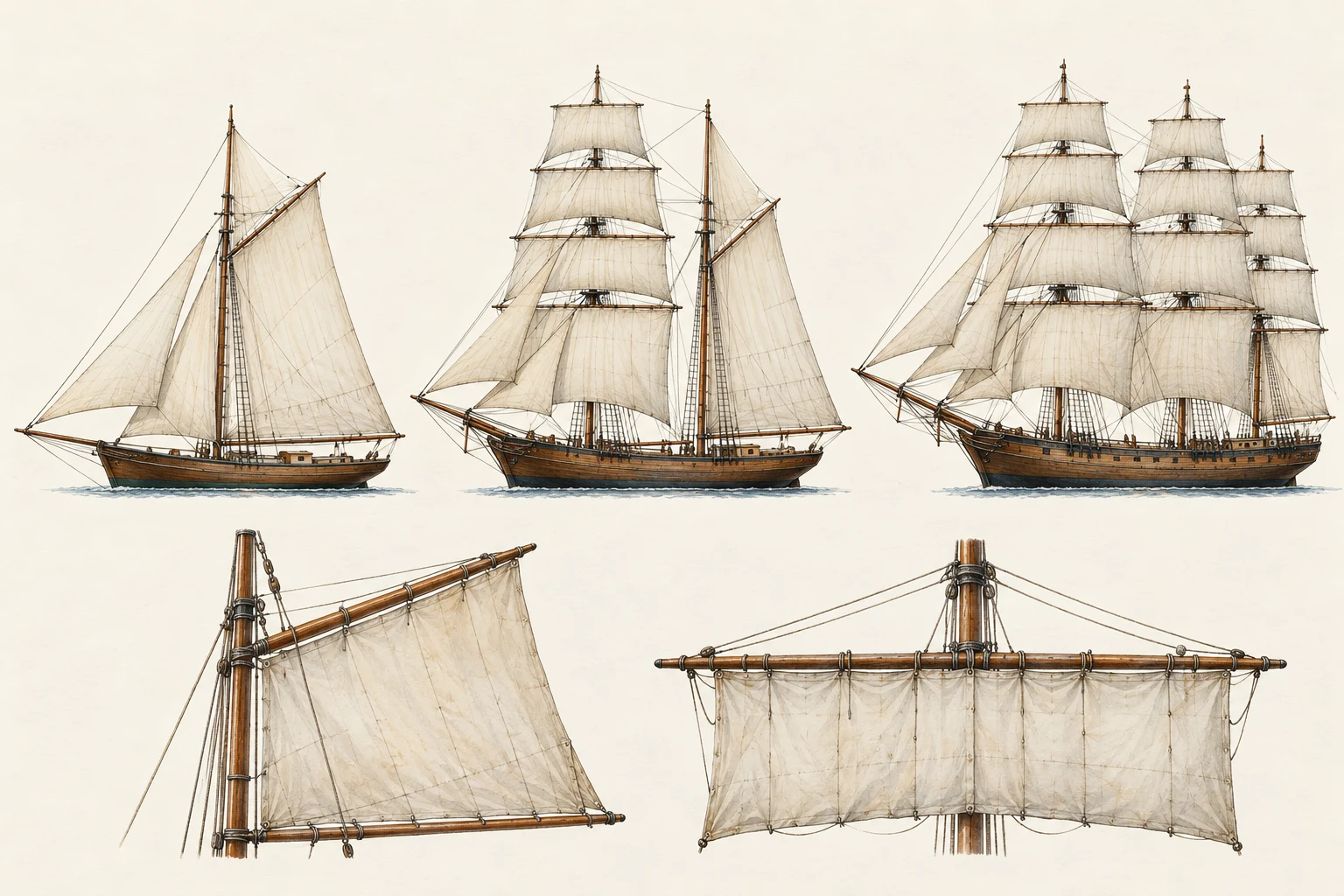 See the details.Pirate ship types, explained.Explore the illustrated guide