

The title page identifies a publication
The edition used here was printed in 1724 under Captain Charles Johnson’s name and calls itself a second edition with additions. That establishes a published object with a date and attribution. It does not establish that the named author personally witnessed every event. [1]
The text’s strong opinions are visible throughout: it mocks, condemns, praises and proposes reasons for behavior. Those judgments should remain distinct from an independently corroborated event.
A letter changes the position of the voice
The England chapter includes a letter attributed to Macrae about the loss of Cassandra. The first-person survivor describes his own negotiations, resources and return. The letter’s position differs from the compiler introducing it. [1]
Even here, the reader is seeing a letter through print, not an original manuscript collated for this edition. Embedded documentary form is evidence to investigate, not a reason to stop asking about transmission.
A printed agreement can survive without its original
The Roberts chapter says the signed original articles were thrown overboard, while supplying a printed version of the rules. The printed clauses are important evidence for how the company was represented, but they are not a photograph of a surviving signed document. [1]
This small distinction prevents a large error: presenting a modern typeset list as “the original pirate code.”
Court narrative and dramatic biography do different work
The proceedings after Roberts’s capture record allegations, defenses, witnesses and outcomes. Elsewhere, the book provides private dialogue and sweeping judgments about a captain’s character. The latter may make an episode memorable without offering the same evidential trail. [1]
The best question is specific: who could have known this detail, and what kind of record does the passage claim to preserve?
An early book can also stop without an ending
Martel’s later fate and Spriggs’s final career are not neatly resolved by the accounts available to the compiler. Those stopping points should survive a modern retelling. An invented final scene would make the story smoother and the history worse. [1]
Read Macrae’s damaged vessel, the plea of force and the anchorage account as different ways into one heterogeneous book.
Questions, answered.
Was Johnson an eyewitness to everything in the book?
The book contains compiled and embedded material; this site makes no such eyewitness claim.
Can the printed articles be called the surviving signed original?
No. For Roberts’s company, the book explicitly says the original was discarded.
Sources & reading notes
Source checks distinguish an artifact, a reported account and a modern interpretation. They do not constitute independent historian review.
- A General History of the Pyrates (1724)Published under the name Captain Charles Johnson · Early printed account; public-domain text
Title page, preface, introduction, Chapter V’s Macrae letter, Chapter IX’s Roberts articles and reported proceedings, and Chapter XIV’s Evans narrative. Attribution and doubtful authorship are not resolved by the Gutenberg file’s older shorthand label. Authorship is disputed. A near-contemporary compilation, not a surviving signed pirate code or a neutral transcript. Cite its claims as reported claims.
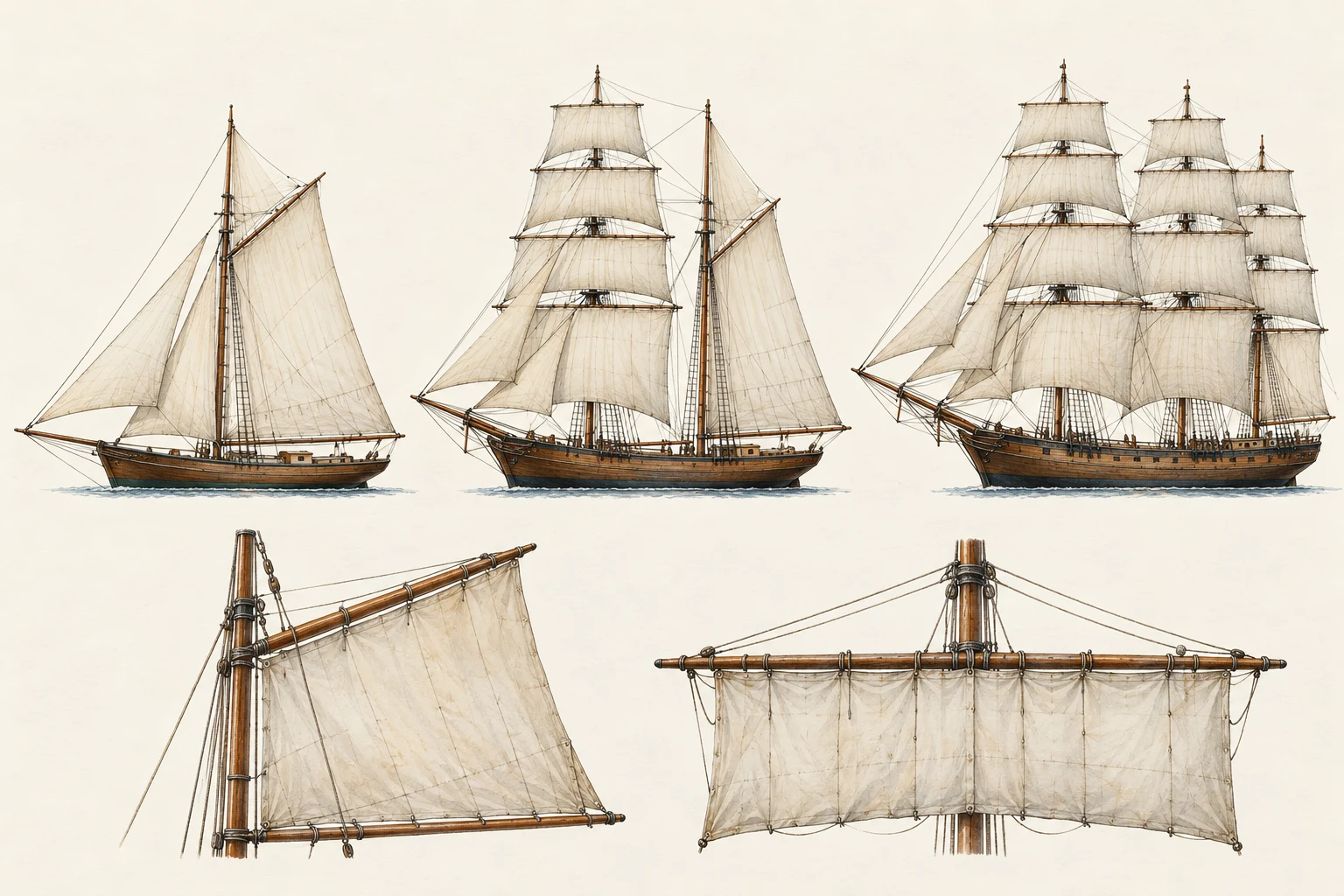 See the details.Pirate ship types, explained.Explore the illustrated guide