
Four dates can belong to one piece of evidence
An event occurs. Someone writes a report about it. An editor later prints a description or transcription. A digital service then produces a searchable version. Those dates answer different questions. The calendar used here covers records of 1669–1674 but its title page is dated 1889. [1]
A search result displaying the digital upload date has not supplied the date of the event. Equally, the years in the volume’s title are not its publication year.
What the calendar contributes
The volume arranges records into numbered entries and supplies information about their contents and archival context. Some entries are short abstracts; others preserve lengthy passages. This is enormously useful for finding connections between letters, orders and depositions. [1]
Its usefulness does not erase editorial selection. A short description may omit wording that matters to a question about exact authority or responsibility. State whether the claim rests on the calendar or on a separately inspected original.
Copies are not automatically independent witnesses
Entries 504–506 concern Morgan’s relation of the Panama expedition and related copies. Three references to a report do not necessarily mean three people independently witnessed every event inside it. Counting entries as corroboration would overstate the evidence. [1]
The same distinction applies when a later historian repeats the relation. An extra publication may provide interpretation without adding another eyewitness.
An official record can preserve an interested claim
Morgan’s report explains and justifies his expedition. John Peek’s deposition speaks to what the governor knew. Council thanks record a local institutional response. These records are valuable precisely because they reveal particular people and institutions speaking in particular circumstances. [1]
“Official” describes the record’s setting; it does not make every reported motive, number or accusation impartial. Ask who needed to persuade whom, and about what.
OCR makes discovery easier—and mistakes searchable
The searchable copy can misread names, numerals and punctuation. A failed text search therefore cannot prove that a person is absent. A surprising number should be checked against the printed page before becoming a headline. The edition’s entry numbers and printed page references provide a better trail than an unqualified snippet.
The source notes on this site name those locators. Compare the conflicting fire claims and the asserted commission to see why preserving the route to the evidence changes the history that can responsibly be written.
Questions, answered.
Does a calendar entry mean the original manuscript was inspected for this article?
No. The source notes explicitly identify use of the printed calendar and its searchable copy.
Do three copies of one report count as three eyewitness accounts?
No. Copies can help establish transmission, but they do not create independent witnesses to the events described.
Sources & reading notes
Source checks distinguish an artifact, a reported account and a modern interpretation. They do not constitute independent historian review.
- Calendar of State Papers Colonial, America and West Indies, 1669–1674 (1889)Edited by W. Noel Sainsbury; Her Majesty’s Stationery Office · Nineteenth-century calendar of colonial documents; public-domain printed text
Title page, editorial instructions and preface; entries 504–506,542 and 1379. The downloaded OCR is a reading aid for the printed calendar, not a checked transcription of every original record. The calendar contains abstracts and transcripts, not a substitute for every original manuscript. The downloaded searchable copy is machine OCR; doubtful readings require collation. A commander’s report or deposition remains an interested claim even when preserved in an official record.
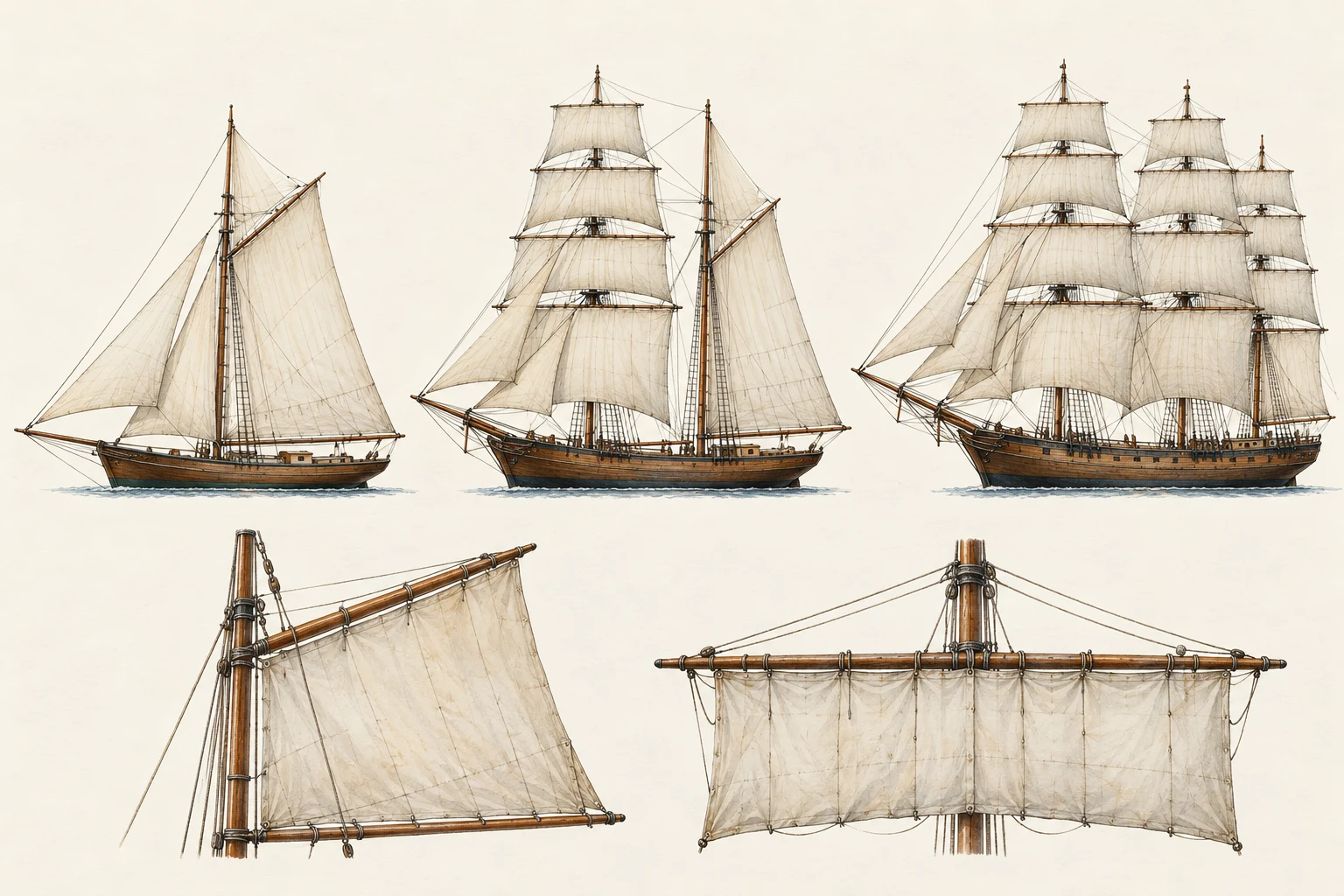 See the details.Pirate ship types, explained.Explore the illustrated guide